
 By
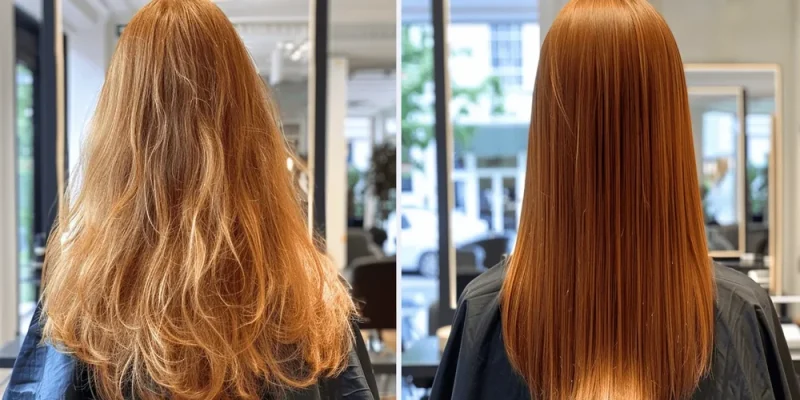
A cloud of steam, the pop of a flat iron, and in minutes curly hair is poker-straight. For years, this was the magic of keratin treatments. But whispers of formaldehyde, stifling salon air, and brittle, lifeless hair have left clients and stylists both wary. Now, a new wave of hair smoothing options promises shine, softness, and safety. So what really sets modern smoothing treatments apart from classic keratin services?
Understanding Hair Smoothing and Traditional Keratin Treatments
The term “keratin treatment” once referred to a specific process, but over time it’s become as broad as “soda” at a convenience store. Some mean Brazilian blowouts, others mean any service that makes hair smoother. This confusion isn’t just a semantic issue; it can lead to mismatched expectations and lost business during client consultations.
Origins and Evolution of Keratin Treatments
Keratin treatments began as a miracle solution for frizzy hair, coating each strand in protein and setting it with heat. The original goal was simple: straight hair, no matter your natural texture. For a while, it worked wonders, especially for those who dreamed of taming stubborn curls in one session.
The Rise of Formaldehyde Concerns and Industry Response
As these treatments gained popularity, so did concerns about their ingredients. Many early formulas relied on formaldehyde or chemicals that would release it once heated. For stylists and clients, that meant ventilators, watery eyes, and plenty of questions about long-term health. Regulatory scrutiny forced manufacturers to rethink their formulas, and this urgency paved the way for the modern hair smoothing revolution.
How Terminology Confusion Affects Clients and Salons
Today, a request for “keratin” could mean anything from a harsh, formaldehyde-based straightener to a gentle, protein-based frizz tamer. This ambiguity causes headaches for salons, with unclear messaging easily turning away clients or resulting in unsatisfying results. It’s a constant reminder that clear consultation is key.
Chemical Composition and Safety Profiles
Traditional Keratin Treatment Ingredients and Risks
Classic keratin treatments still often use chemical straighteners, with formaldehyde or its cousins lurking on the ingredient list. While the finished look is sleek, the process exposes both stylist and client to noxious fumes. The aftercare isn’t much easier: days without washing, harsh shampoo restrictions, and a fade-out that can leave hair looking two-toned.
Modern Hair Smoothing Formulas: Formaldehyde-Free Innovations
Modern smoothing systems take a different approach. They skip the formaldehyde in favor of multi-protein blends and conditioning agents that rebuild and smooth hair, not just flatten it. Hair is left stronger and healthier, with none of the eye-stinging air or harsh chemical warning labels.
Impact on Salon Air Quality and Stylist Health
Switching to formaldehyde-free systems means the difference between dreading a day of treatments and working comfortably. Safer formulas protect stylists’ lungs and skin, creating a healthier environment for everyone in the salon.
Customization and Styling Versatility
One-Size-Fits-All vs. Tailored Texture Control
Traditional keratin services give you one outcome: straight, flat hair. Modern smoothing treatments offer a dial, allowing stylists to fine-tune results based on processing time, iron temperature, and the number of passes. Whether a client wants to keep her curl, just lose the frizz, or go sleek, that range of control is a game-changer.
Techniques to Modify Curl Pattern and Frizz Levels
A skilled stylist with the right smoothing system can maintain bounce, simply soften a curl, or create mirror-like shine. The same formula produces dramatically different results, this flexibility means clients no longer have to sacrifice their natural texture for manageability.
Meeting Diverse Client Expectations with Smoothing Systems
No two heads of hair are the same. Clients with ringlets, waves, or tight coils can finally get customized results that work for their lifestyles. That personalization is what keeps them returning, and referring friends who want more than cookie-cutter treatments.
Hair Health and Long-Term Effects
Coating vs. Conditioning: What Happens to Hair?
Keratin treatments wrap hair in a protein shell, sometimes leaving it brittle over time. Smoothing treatments, however, focus on rebuilding and hydrating the hair fiber. The result? Hair that genuinely feels healthier, not just silkier to the touch.
Aftercare Requirements and Their Influence on Treatment Longevity
Traditional keratin often comes with strict aftercare: don’t wash for days, avoid ponytails, skip the gym. Modern smoothing treatments are less fussy and fade out more gracefully, never leaving a harsh line where the treated hair ends and regrowth begins.
Fade Patterns and Client Satisfaction Over Time
A subtle fade-out translates to happier clients. Instead of a sharp demarcation, the hair transitions back to its natural texture seamlessly, making rebooking less of a chore and more of a choice.
Practical Client Consultation Tips
When you have just thirty seconds to explain the difference, clarity is everything: “Keratin treatments make hair straight, but our smoothing system lets you choose your texture. Want to keep your curls but lose the frizz? Or go sleek? It’s formaldehyde-free, so it’s safer for you and for us.”
Visual proof helps seal the deal. Show before-and-after examples, especially those that preserve curls, to help clients envision the possibilities.
For a deeper comparison, resources like hair smoothing vs keratin treatment offer clear breakdowns that can be referenced during consultations.
Business Advantages for Salons
Clear communication about these services isn’t just about safety; it’s about elevating your salon’s reputation. When stylists confidently explain differences and tailor results, clients feel heard, and they come back. Positioning professional smoothing as a customizable, premium offering allows salons to set their prices based on value, not to get drawn into price wars with less advanced competitors.
In the end, the magic of a great smoothing treatment is choice: choice in style, choice in safety, and choice in healthier hair for everyone.


Comments