
 By
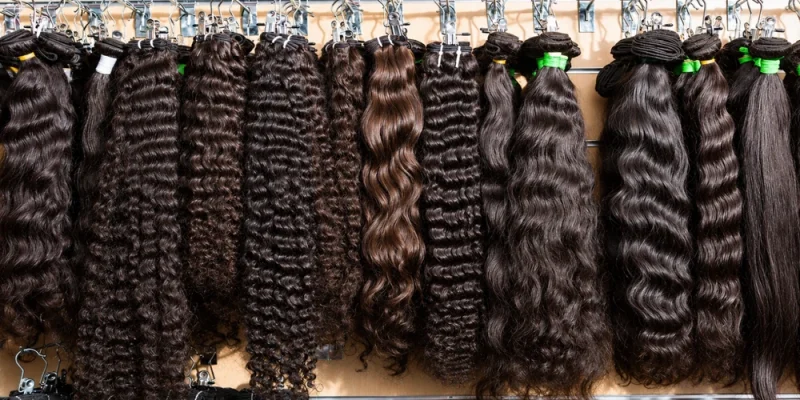
The hair extension industry is evolving as consumers become more selective about the products they purchase, the businesses they support, and the value they receive. For many Black women, hair extensions are more than beauty accessories; they offer opportunities for self-expression, protective styling, convenience, and personal confidence. As consumers increasingly seek products that complement their natural hair textures and individual lifestyles, businesses are reconsidering traditional approaches to product development and marketing. From expanding texture selections to improving product quality and introducing flexible installation methods, hair extension companies are adapting to changing market expectations. These developments are creating new opportunities for established businesses, emerging entrepreneurs, and beauty retailers to strengthen their competitive positions and achieve sustainable growth.
The Growing Consumer Demand for Black Hair Extensions
The growing appreciation for natural and textured hair has influenced how consumers evaluate beauty products. Customers increasingly seek extensions that complement their individual curl patterns, natural hair density, and styling preferences. When shopping forBlack hair extensions Human Hair products, many consumers prioritize realistic textures, seamless blending, quality, and styling versatility. This shift presents valuable opportunities for businesses to address consumer needs that have historically been underserved within the mainstream beauty industry.
Traditional hair extension collections have often concentrated on straight and loosely wavy textures. However, consumers with curly, coily, and kinky hair increasingly expect a broader selection that reflects the diversity of natural hair. Businesses that recognize these expectations can reach customers who previously struggled to find suitable products.
Consumer purchasing behavior is also becoming more research-driven. Before making a purchase, shoppers frequently examine customer reviews, product demonstrations, texture comparisons, and recommendations from beauty professionals. They want to understand how an extension will look, feel, and perform beyond its initial presentation.
For businesses, these changing preferences highlight the importance of understanding specific customer segments rather than treating the entire hair extension market as a single audience. Investing in consumer research and collecting meaningful customer feedback can help companies identify market gaps and develop products that address genuine needs.
How Consumer Expectations Are Redefining Product Quality and Innovation
Quality has become an important factor in determining how hair extension businesses compete. Consumers increasingly consider authenticity, durability, texture consistency, manageability, and long-term value when comparing products. While affordability remains important, many shoppers are willing to consider higher-priced alternatives when the product offers dependable performance and meets their expectations.
Changing lifestyles have also encouraged businesses to explore more convenient styling solutions. Consumers with natural curly and textured hair often look for products that allow them to achieve different hairstyles without committing to lengthy installation appointments. Options such asKinky Curly Clip In Hair Extensions illustrate how product innovation can address demand for convenience, realistic texture matching, and greater styling flexibility.
From a business perspective, introducing alternative installation methods allows companies to serve customers with different budgets, schedules, and styling habits. While traditional sew-in extensions may appeal to consumers seeking longer-term hairstyles, removable extensions can attract customers who prefer temporary transformations and greater control over their styling routines.
Product durability is another important consideration. Customers who invest in premium human hair generally expect reasonable longevity when the extensions are properly maintained. Businesses can respond by strengthening quality control procedures, carefully evaluating suppliers, and providing realistic maintenance guidance.
Companies that consistently deliver products aligned with customer expectations can distinguish themselves from competitors that rely primarily on low prices. This approach can also help reduce product-related complaints, improve customer satisfaction, and strengthen brand credibility.
Product Diversification and Inclusivity as Business Growth Strategies
Product diversification provides hair extension companies with opportunities to expand their customer base and respond to evolving market preferences. Offering different textures, lengths, densities, colors, and installation methods allows businesses to accommodate a wider range of consumer requirements.
For example, some customers prioritize extensions that closely resemble tightly coiled natural hair, while others prefer softer curls, textured straight finishes, or fuller blowout-inspired styles. Recognizing these differences enables businesses to create more targeted collections instead of relying on standardized products that may not satisfy individual needs.
Diversification can also support businesses in reaching customers across different spending categories. Entry-level collections may attract first-time buyers, while premium collections can appeal to experienced consumers seeking higher-quality products and longer-term value. Maintaining a balanced portfolio can create opportunities for revenue growth across multiple customer segments.
Inclusivity plays an equally important role in brand differentiation. Representation should extend beyond product availability to include marketing campaigns, product photography, educational materials, and customer communication. Showing extensions on individuals with different natural hair textures helps potential buyers make more informed decisions and recognize whether particular products are suitable for them.
However, meaningful inclusivity requires more than diverse advertising. Businesses must ensure their products genuinely address the needs of the audiences they represent. Companies that combine inclusive marketing with thoughtful product development can establish stronger customer relationships and build a more distinctive market presence.
Building Customer Loyalty Through Quality, Transparency, and Education
Attracting new customers is important, but retaining existing buyers is equally valuable to the long-term success of a hair extension business. Customers who have positive purchasing experiences are more likely to return, recommend products to others, and develop lasting relationships with a brand.
Transparency is particularly important in an industry where product characteristics can be difficult to evaluate online. Consumers benefit from clear information about hair composition, texture, density, length measurements, installation requirements, and maintenance expectations. Accurate descriptions help customers select appropriate products and reduce the likelihood of misunderstandings after purchase.
Educational content can further strengthen customer confidence. Businesses that provide texture-matching guides, installation tutorials, maintenance instructions, and realistic product demonstrations offer value beyond the initial transaction. These resources can help customers achieve better results while supporting informed purchasing decisions.
Reliable customer service also contributes to retention. Responding professionally to inquiries, providing personalized product guidance, and addressing legitimate concerns can positively influence how customers perceive a business. Even when problems arise, effective communication can help preserve trust and demonstrate accountability.
Customer feedback should also inform future business decisions. Reviews, support inquiries, return reasons, and purchasing patterns can reveal recurring concerns and emerging preferences. Businesses that use this information to improve their offerings are better positioned to maintain customer satisfaction and adapt to market changes.
Future Business Opportunities in the Black Hair Extension Market
The continued evolution of consumer expectations presents opportunities for businesses to improve their products, expand their distribution channels, and explore new market segments. Companies that remain attentive to customer needs can identify opportunities for growth without relying exclusively on aggressive promotions or price-based competition.
E-commerce development is one area with considerable potential. Interactive texture guides, personalized product recommendations, detailed product videos, and improved online consultations can make digital shopping experiences more informative and convenient. These developments can be especially valuable for consumers who cannot physically examine extensions before purchasing.
Partnerships with hairstylists, beauty professionals, and independent retailers can also help businesses reach new audiences. Professionals who regularly work with textured hair can provide practical insights into product performance, installation challenges, and emerging consumer preferences.
Responsible sourcing and supply chain transparency may become increasingly important considerations as customers seek greater clarity about the products they purchase. Businesses that establish dependable supplier relationships and communicate accurately about their sourcing practices can strengthen consumer confidence while supporting operational stability.
Ultimately, consumer demand for authentic textures, quality products, convenient styling solutions, and inclusive representation is reshaping the hair extension industry. Businesses that prioritize these expectations rather than focusing solely on short-term sales can develop stronger competitive advantages. By investing in product innovation, transparency, customer education, and meaningful inclusivity, hair extension companies can build lasting customer relationships and position themselves for sustainable business growth in an increasingly competitive marketplace.









Comments