
 By
By 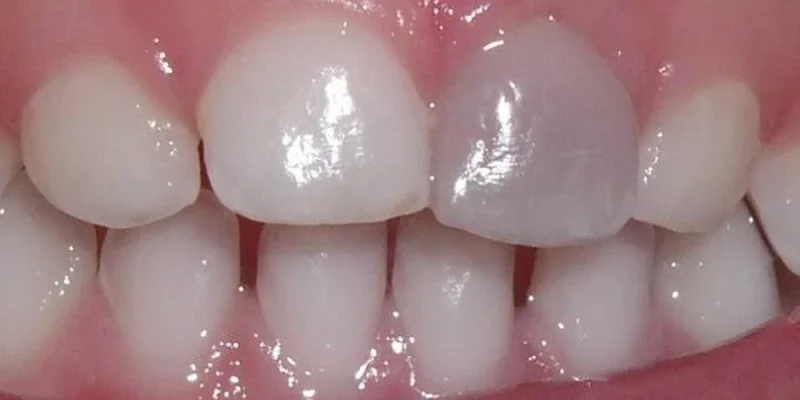
You noticed the color change during a normal moment, maybe while brushing teeth, maybe after a fall you hoped was minor. Now one baby tooth looks gray, brown, or darker than the rest, and it is hard not to jump straight to worst case scenarios. That reaction is normal. A darkened baby tooth can happen after an injury, and sometimes it looks alarming long before it becomes clear whether the tooth will settle down or need treatment. If you are concerned, a pediatric dentist in Rialto, CA can help evaluate what is happening.
The short version is this. A baby tooth that turns dark does not always mean an emergency, but it does need close attention. Color changes can point to bruising inside the tooth, damage to the nerve, or infection. The safest move is to watch for pain, swelling, gum changes, trouble eating, or a pimple on the gums, and have a pediatric dentist examine it after any trauma or if the color change appears without a clear reason.
A darkened baby tooth often starts with an injury, but the timeline can be misleading
Many parents expect a problem tooth to change right away. Sometimes it does. Sometimes the tooth looks normal for days or even weeks after a bump, then slowly turns gray. That delay can make the situation confusing, especially if your child seems fine. You may be wondering whether the tooth is healing or getting worse.
When a baby tooth is hit, the blood supply and nerve tissue inside the tooth can be affected. In some cases, the tooth simply discolors and stays stable. In others, the pulp inside the tooth dies, bacteria move in, and infection develops later. That is why monitoring a dark baby tooth is not just about the color. It is about what happens around the tooth over time.
A child who says nothing may still avoid biting on one side. A toddler may not explain pain clearly, but you might notice crankiness at meals, finger pointing, or resistance during brushing. Parents often feel torn here. You do not want to overreact, but you also do not want to miss the point where waiting becomes risky.
The concern with a baby tooth is not only the tooth itself. The roots of baby teeth sit close to the developing adult teeth underneath. If infection forms and lingers, it can affect nearby tissue and, in some cases, the adult tooth that has not erupted yet. The American Academy of Pediatric Dentistry guidance on dental injuries explains why follow up matters even when the first injury seems mild.
Signs that a dark baby tooth needs prompt dental attention
Some cases can wait a short time for a scheduled visit. Some should be seen quickly. If the tooth darkened after a fall or bump, call a pediatric dental office and describe what happened. If the discoloration showed up without a known injury, the need for an exam is still the same, because decay, infection, or less obvious trauma can also be involved.
Watch for swelling in the gums, pain that wakes your child up or makes chewing hard, bleeding that returns, a loose tooth that was not loose before, or a small bump on the gum above the tooth. That bump can look like a pimple and may drain. Fever or facial swelling raises the urgency.
If you are trying to decide whether to seek same day advice, the HealthyChildren tooth injury symptom checker can help you sort through warning signs. It does not replace an exam, but it gives parents a clearer sense of when to move faster.
Home monitoring versus a pediatric dentist evaluation
Parents often start with watchful waiting because the tooth is not painful and the child is acting normal. That can be reasonable for a short window after you have already spoken with a dental office, but home checks have limits. You can see color. You cannot see root damage, infection under the gums, or changes near the adult tooth forming below.
| What you notice | Possible meaning | What to do |
|---|---|---|
| Tooth turns gray after a fall, no pain, no swelling | Bruising or nerve injury, may stay stable or worsen later | Schedule a pediatric dental exam and keep monitoring |
| Dark tooth with pain while chewing | Inflammation or infection inside the tooth | Call for prompt evaluation |
| Dark tooth with gum pimple or swelling | Likely infection or abscess | Seek dental care as soon as possible |
| Tooth becomes loose after injury | Damage to supporting tissues | Have it examined soon |
| No injury remembered, tooth darkens gradually | Decay, unnoticed trauma, or pulp damage | Schedule an exam to find the cause |
This is where a baby tooth discoloration check matters. A pediatric dentist can examine the gums, test mobility, look for signs of infection, and decide whether x rays are needed. Sometimes the answer is simple monitoring. Sometimes the tooth needs treatment or removal to protect your child’s comfort and the developing adult tooth.
Three steps you can take right now
1. Take a clear photo and note the timeline. Get a photo in good light and write down when the color change started, whether there was a fall, and any changes in eating, sleep, or mood. This helps track whether the tooth is stable or changing, and it gives the dentist useful details.
2. Keep the area clean and meals simple. Brush gently around the tooth and avoid very hard foods if your child seems tender. Do not press on the tooth, do not wiggle it to test it, and do not put aspirin or numbing gels on the gums unless your child’s dental or medical provider tells you to.
3. Book a pediatric dental visit and watch for red flags. Even if your child is comfortable, a darkened baby tooth should be assessed. If swelling, pus, fever, bad breath that does not improve, or increasing pain shows up, move the visit up. This kind of monitoring a baby tooth after injury works best when home observation and professional follow up happen together.
Steady monitoring protects more than the tooth
A darkened baby tooth can look dramatic, and sometimes the outcome is less serious than parents fear. Still, this is not the kind of change to ignore and hope away. When you keep an eye on the color, the gums, and your child’s comfort, you are doing exactly what matters most. A pediatric dentist can then tell you whether the tooth is simply discolored, healing, or showing signs that it needs treatment.
If your child has a tooth that turned gray, brown, or darker than the others, trust what you are seeing and arrange a dental evaluation. Quick attention now can prevent pain later and give you a clear plan instead of days of guessing.




Comments