
Category: Finance

  • Charged with Opportunity: How India’s Electric Vehicle Revolution Is Reshaping the Automotive Investment Narrative

    Charged with Opportunity: How India’s Electric Vehicle Revolution Is Reshaping the Automotive Investment Narrative

    India’s transition toward electric mobility has rapidly transformed from a distant policy aspiration into a tangible commercial reality, and the financial markets have responded with growing conviction – making EV sector stocks among the most actively discussed and closely tracked investment themes across domestic institutional research desks, retail investor communities, and thematic mutual fund mandates over the past several years. Yet even as pure-play electric vehicle manufacturers and ancillary component suppliers command valuation premiums that reflect the excitement of technological disruption, the Hero MotoCorp share price serves as a compelling reminder that the established leaders of India’s conventional two-wheeler market are not passive bystanders in this transformation – they are active participants whose strategic choices, financial resources, and unmatched distribution reach will play a decisive role in determining how the electric mobility transition unfolds across the hundreds of millions of two-wheeler households that define India’s unique and irreplaceable automotive landscape. Understanding the full spectrum of this evolving opportunity requires examining both the disruptive forces at work and the adaptive responses of incumbents with deep roots in the Indian market.

    India’s Two-Wheeler Market: The World’s Most Consequential EV Battleground

    India is the biggest two-wheeler market globally by way of annual sales quantity, with home producers collectively selling over fifteen million bikes and scooters every year to a client base that spans each socioeconomic stratum, geography, and use case conceivable – from the each day commuter navigating Bengaluru’s site visitors to the farmer transporting produce across a dusty village avenue in Bihar. This scale and variety make the Indian two-wheeler marketplace both the maximum substantial near-term possibility and the most complex terrain for electric vehicle adoption globally. The penetration of electric wheelers in India has been developing meaningfully, supported by falling battery charges, a widening range of available models, enhancing charging infrastructure in city and semi-city areas, and national subsidy frameworks that have made electric scooters financially appealing relative to their petrol-powered equivalents for fee-conscious consumers who cover predictable everyday distances. The Society of Indian Automobile Manufacturers information always shows rising electric two-wheeler registrations as a share of general enterprise volumes, a trend that analysts expect to increase as product quality improves, range anxiety diminishes, and the full fee of ownership advantage of electric motors becomes more universally preferred throughout profits segments.

    Hero MotoCorp’s Electric Transition: Legacy Meets Disruption

    Hero MotoCorp, the world’s largest two-wheeler manufacturer by extent, has spent much of its recent company history navigating the strategic tension between protecting its dominant role in the high-volume, low-cost entry-stage motorbike section and building credible electric mobility capabilities that could compete in the swiftly evolving premium scooter marketplace. The organisation’s launch of the Vida electric scooter platform marked its formal entry into the electrical automobile section, backed by using good sized investment in a dedicated EV manufacturing environment and a dedication to developing battery era, vehicle software, and charging network infrastructure that goes beyond simply assembling imported components into a nearby chassis. The logo equity that Hero MotoCorp has amassed over a long time of serving hundreds of thousands of Indian clients – constructed on the pillars of reliability, gas efficiency, wide serviceability, and handy pricing – represents a powerful asset that natural-play EV begin-ups, however well-funded, can not mirror overnight. The query that traders and analysts grapple with is how successfully the organisation can leverage this legacy advantage to set up a significant, profitable function within the electric segment before challengers consolidate first-mover advantages that are tough to dislodge.

    Government Policy: The Accelerant Powering India’s EV Adoption Curve

    The Indian government has deployed a layered and increasingly coherent policy framework designed to accelerate the transition to electric mobility across vehicle categories. The Faster Adoption and Manufacturing of Electric Vehicles scheme, now in its evolved iterations, has provided direct purchase subsidies that have materially improved the value proposition for electric two-wheeler and three-wheeler buyers. The Production-Linked Incentive scheme for Advanced Chemistry Cell battery manufacturing is designed to seed a domestic battery ecosystem, reducing India’s dependence on imported cells and progressively lowering the cost of electric vehicles for all manufacturers. State governments in Rajasthan, Maharashtra, Delhi, Gujarat, and Tamil Nadu have introduced complementary subsidy and tax exemption frameworks that stack with central government incentives to make electric vehicles even more financially compelling in key markets. The government’s explicit target of achieving significant EV penetration across vehicle categories by 2030 has provided manufacturers and component suppliers with the policy visibility needed to justify long-gestation capital investments in new product development, manufacturing capacity, and supply chain localisation.

    The Battery Ecosystem: India’s Most Critical EV Supply Chain Challenge

    At the heart of every electric vehicle lies its battery pack, and the cost, performance, safety, and longevity of this component determine more than any other single factor whether a consumer’s ownership experience will be positive or disappointing. India’s EV industry currently relies heavily on imported lithium-ion cells, primarily procured from manufacturers in Gujarat’s nascent battery assembly clusters that source cells from established Asian suppliers. This import dependence creates both cost and supply security vulnerabilities that the government and private sector are working to address through investments in domestic cell manufacturing under the ACC PLI scheme. Several Indian conglomerates and specialised energy storage companies have committed to building gigafactory-scale battery cell manufacturing plants in India, a development that, if successfully executed, could meaningfully reduce battery costs for domestic EV manufacturers over a five-to-seven year horizon and catalyse a broader ecosystem of battery management systems, charging equipment, and recycling infrastructure. For equity investors, companies positioned at the battery cell, battery management, and charging infrastructure layers of the EV value chain represent some of the highest-conviction long-term opportunities within the broader electric mobility theme.

    Charging Infrastructure: The Missing Link in Mass EV Adoption

    Range anxiety – the priority that an electric-powered vehicle’s battery can be depleted before attaining a charging factor – remains one of the greatest mental obstacles to wider EV adoption amongst Indian clients, especially those residing in rental complexes without committed parking or in smaller towns in which public charging infrastructure stays sparse. The improvement of a dense, reliable, and interoperable charging network is therefore a prerequisite for mass-market EV adoption, in preference to simply a comfort function for early adopters. The government’s goal of setting up charging stations at everyday intervals on countrywide highways and in densely populated city centres, mixed with private region funding through oil marketing companies, actual property builders, and dedicated fee factor operators, is gradually expanding the charging network. For two-wheelers, the economics of domestic charging – wherein proprietors without a doubt plug in in a single day the usage of a widespread domestic socket – extensively mitigates range anxiety issues for almost all of use instances, which partially explains why the electric scooter phase has been the fastest-developing category in India’s EV market. Investors tracking the charging infrastructure space should study each of the natural-play rate factor operators and the issue manufacturers supplying charging equipment as distinct funding opportunities within the broader EV surroundings.

    Valuing EV Opportunity: Incumbent Advantage Versus Challenger Disruption

    Valuing companies in the midst of a technology transition as profound as electrification requires an analytical framework that can simultaneously hold two competing truths – that disruptive challengers with innovative products and agile business models can capture significant market share rapidly, and that established incumbents with manufacturing scale, trusted brands, vast dealer networks, and deep consumer relationships possess advantages that are far more durable than the breathless narrative of disruption often suggests. Indian equity markets have at times swung between these poles, awarding extreme valuation premiums to electric-focused new entrants while periodically punishing incumbent automakers for their perceived slowness in embracing the transition. The more nuanced reality is that India’s EV transition will likely be captured by a combination of players – some incumbents who execute their transformation strategies with sufficient urgency and capital commitment, and some challengers who build quality and service track records that earn consumer trust beyond early adopters. Investors who resist the temptation of extreme positions – neither dismissing incumbents as dinosaurs nor uncritically overpaying for challengers – and instead evaluate each company on the merit of its specific competitive position, financial health, and execution track record will likely navigate this transitional period most effectively.

    Portfolio Strategy for India’s Electric Mobility Investment Opportunity

    For Indian investors who wish to build meaningful exposure to the electric vehicle theme without concentrating risk in any single company or sub-segment, a structured portfolio approach offers the most prudent path. A tiered allocation might combine established automotive incumbents who are actively investing in EV platforms and possess the financial strength to fund multi-year transitions, with mid-cap component manufacturers specialising in electric drivetrains, battery management systems, and power electronics who benefit from growing EV volumes irrespective of which vehicle brand ultimately wins the consumer market. Exposure to ancillary infrastructure plays – cable manufacturers, charging equipment producers, and smart grid technology companies – adds another layer of participation in the electrification theme without direct exposure to vehicle-level competitive dynamics. Thematic EV-focused mutual funds managed by experienced fund managers who track the evolving competitive landscape offer retail investors a well-diversified, actively managed approach to this complex but genuinely exciting opportunity. India’s electric mobility transition is not a short sprint – it is a long, multi-decade structural shift that will reward investors who engage with patience, rigorous analysis, and a portfolio construction discipline that matches the scale and complexity of the opportunity itself.

  • A Guide to Embracing Crypto Payments via Telegram

    A Guide to Embracing Crypto Payments via Telegram

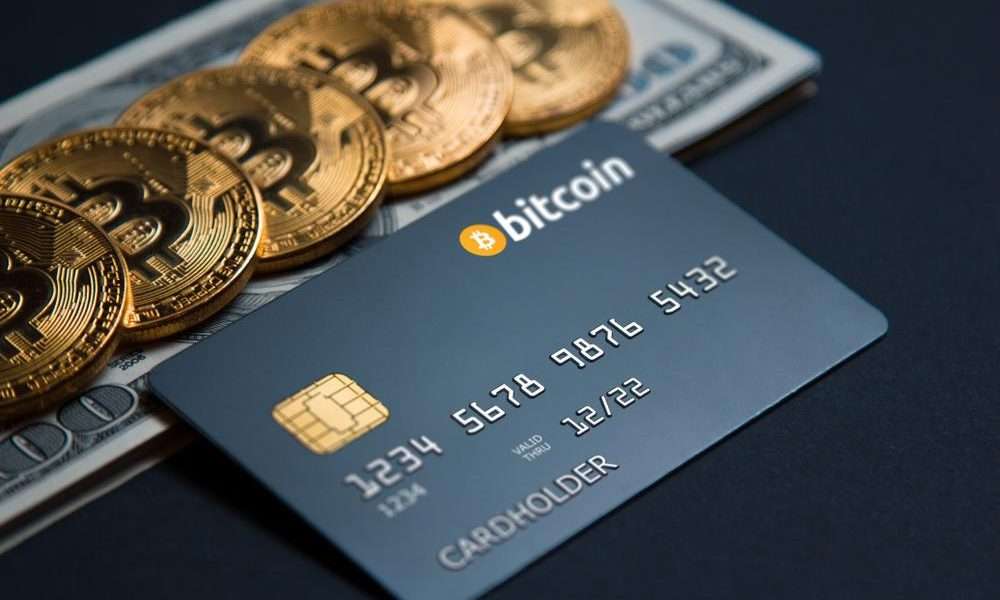
    Cryptocurrencies have gained immense popularity in the global market, and businesses are increasingly recognizing their potential as a payment option. Telegram, a widely-used instant messaging app, has embraced the advantages of cryptocurrencies and provides an excellent platform for accepting crypto payments. By leveraging Telegram to accept crypto payments, businesses can unlock new opportunities for customers to make secure and efficient purchases. In this comprehensive guide, we will delve into the process of accepting crypto payments via Telegram and explore the significant advantages it offers to businesses.

    Understanding Cryptocurrency Payments

    Cryptocurrency payments involve utilizing digital currencies like Bitcoin, Ethereum, Litecoin, and others, instead of traditional fiat currencies such as the US dollar or euro. These digital currencies rely on blockchain technology, which ensures secure transactions and maintains a decentralized ledger of all transactions.

    Cryptocurrency payments offer numerous advantages over traditional payment methods, including faster transaction times, lower transaction fees, enhanced security, and improved accessibility. Additionally, crypto payments provide increased anonymity and privacy for both buyers and sellers.

    Why Accept Cryptocurrency Payments via Telegram?

    Accepting cryptocurrency payments via Telegram is an attractive option for several reasons. Firstly, Telegram boasts a massive user base of over 500 million active users, providing businesses with a platform to connect with a vast audience and facilitate seamless payments.

    Secondly, Telegram offers a secure and private messaging platform that enables users to communicate and transfer funds without relying on third-party intermediaries. By accepting payments directly from customers, businesses can reduce transaction fees and processing times, thereby enhancing efficiency and customer satisfaction.

    Moreover, Telegram seamlessly integrates with various cryptocurrency payment platforms, allowing businesses to accept a wide range of cryptocurrencies as payment for goods and services. This expands the customer base and appeals to a tech-savvy audience that prefers using cryptocurrencies for transactions.

    Advantages of Accepting Crypto Payments via Telegram

    Accepting cryptocurrency payments via Telegram provides several advantages for businesses, including broader reach, increased security, privacy, and seamless integration with cryptocurrency payment platforms. The wider reach enables businesses to tap into a larger customer base, attracting tech-savvy users who prefer crypto as a payment method. Telegram’s enhanced security and privacy features ensure that transactions are conducted securely and confidentially, instilling trust among customers. Furthermore, seamless integration with cryptocurrency payment platforms simplifies the payment process, resulting in an enhanced overall customer experience.

    How to Accept Crypto Payments on Telegram Using Payment Platforms

    Although Telegram primarily serves as a messaging app and does not offer a built-in payment gateway, businesses can utilize Telegram bots and external payment platforms to accept crypto payments on the platform. There are two main approaches to accepting crypto payments on Telegram: utilizing payment links or integrating a payment platform into your bot.

    Accepting Cryptocurrency with Payment Links

    To accept crypto payments via Telegram using payment links, follow these steps:

    • Sign up for a reputable cryptocurrency payment platform, such as Cryptomus, using your phone number, email, or Tonkeeper authorization.
    • Create an invoice on the payment platform, specifying the cryptocurrencies you wish to accept, setting prices and fees, and configuring other necessary settings.
    • Generate payment links or QR codes for your Telegram channel or bot, allowing users to click on the link or scan the QR code to access the payment page on your chosen platform.
    • Share the payment links or QR codes on your Telegram channel or bot, either by including them in your messages or pinning them at the top of your channel for easy access.
    • Manage and track your payments through the payment platform, where you can monitor transactions, view balances, and withdraw funds as needed.

    Accepting Cryptocurrency via API Integration

    To accept cryptocurrency payments on Telegram using API integration, follow these general steps:

    • Choose a reputable cryptocurrency payment platform that offers Telegram API integration, such as Cryptomus.
    • Sign up for an account with the payment platform and follow the necessary steps to set up your payment account and API credentials.
    • Integrate the payment gateway API with your Telegram bot or channel by adding the API credentials to your bot or channel settings.
    • Create a payment request by sending a message with a payment link to your customers via your Telegram bot or channel. The payment link will direct customers to the payment platform’s checkout page.
    • Once the payment is completed, the payment gateway will notify you and your customer of the transaction details via Telegram.

    When choosing a payment gateway, prioritize reputable and secure platforms that support the cryptocurrencies you wish to accept. Follow best practices for securing your API credentials and safeguarding the privacy and security of your customers’ payment information.

  • Guide to Buying Gold Bullion in Brisbane

    Guide to Buying Gold Bullion in Brisbane

    In a fast-changing world, many investors are looking towards gold as a hedge to inflation and government money printing. William McFee said: “It is extraordinary how many emotional storms one may weather in safety if one is ballasted with ever so little gold.” These words ring true today when inflation is running high.

    If you Buy gold bullion Brisbane, it can be an exciting experience especially with the right sales consultant. You must do some research to choose from the many different types of bullion that dealers offer. Not only do Dealers offer you different sizes or styles of physical gold bars and coins, they can also offer you to buy into a pooled share of bullion bars.

    Pooled Bullion

    Brisbane Gold company offer this unique investment. Their pool-allocated product allows you to purchase or invest in a share of their gold bullion reserves. Once you buy a share, the bullion is fully managed by them, on your behalf.

    Since you purchase a share in the bullion, the bullion is stored for free and sold slightly less than buying the physical product. The primary benefit of this ownership is that the premium payable on bullion bars is the lowest of all bullion products.

    If you add to the savings on the premium that you do not have additional storage and insurance costs, you must conclude that it is a pretty good deal.

    You can purchase your pool-allocated bullion via the online store. Through your investor’s account, you can buy gold bullion starting from 10 grams. Like physical bullion, pool prices are linked and follow the spot price of gold.

    To liquidate your investment is a simple process. Because the account is an online account, you can sell your pooled portfolio 24 hours a day / 7 days a week. It is also possible to exchange your pooled gold for physical gold. The account allows you to withdraw your bullion from the pooled gold.

    The selling price of physical gold is higher than pooled gold. It is due to the higher premium that you pay for purchasing a bullion bar. Therefore, if you withdraw your bullion from the pool, you must pay the difference between the two products.

    If the price for 10oz of bullion is $28,500 and the pool allocation is $28,300, you have to pay the withdrawal gap fee of $200.

    Pooled bullion is an ideal option if you want to buy larger quantities to reduce and don’t want to store it yourself. It also provides you the flexibility to liquidate your portfolio quickly. The size of your investment will depend on your circumstances and whether you have a short-term or long-term investment outlook.

    Physical Gold Bars

    Aren’t comfortable buying into a pool allocated share? No problem, buy the physical gold bars instead. Brisbane Gold Company offer a variety of gold bars to suit all investors, whether its Mum n Dad or a superfund. Most common bars sold are the 1oz gold bullion bars and most transactions are conducted in cash. Superfunds will usually order online and buy in larger amounts. The most commonly sold bar to a superfund is 1kg.

    Conclusion

    If you are looking to buy gold bullion Brisbane, the bullion industry in Brisbane keeps tread with the fast and evolving world economies, offering unique and investor-specific products that enable each investor to structure his portfolio by his needs. 

    .