
 By
By 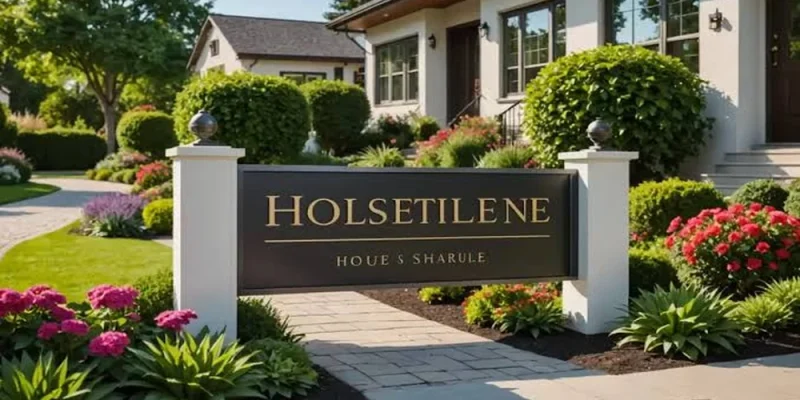
Custom address signs offer more than just a practical way to identify a location; they’re a meeting point of form and function, style and necessity. When a home or business invests in a sign, the result should both catch the eye and guide visitors with clarity. In Montreal, where architectural character is part of the city’s signature, the balance between striking design and essential visibility has never been more important.
Origins of Custom Address Signs: From Function to Form
House numbers and address markers began as utilitarian necessities. Early signs were simple, often hand-painted or roughly carved, their main purpose to make finding a building straightforward. Municipal regulations once dictated only the minimum requirements: legible numbers visible from the street.
As neighborhoods grew more diverse and design-savvy, property owners began seeking ways to infuse personality into their signage. Suddenly, house numbers became an extension of architectural style, a first impression that matters.
Balancing Visibility and Aesthetic Appeal: Key Design Principles
A beautiful address sign that cannot be read from the sidewalk fails at its core job. Readability requires the right font, size, contrast, and placement. For homes set far back or on wide avenues, numbers must be large enough to be seen, yet not overwhelm the entrance. Choosing finishes that pop against the background, such as brushed metal on brick, or crisp black on pale stucco, makes all the difference.
But visibility should never come at the expense of harmony with architectural features. Signs that clash with a façade, or sit awkwardly over decorative trim, will always look out of place. Contemporary homes might call for slender sans-serif numbers, while a heritage triplex often shines with ornate plaques or engraved stone. The best designers, like those at Orthografica Montreal, guide clients through proportion, placement, and style so the result elevates both curb appeal and function.
Material selection is equally crucial. Montreal’s weather puts address signs through extreme tests. Quality metals, durable finishes, and UV-resistant coatings ensure signs look sharp for years rather than fading, warping, or rusting after a single winter.
Evolution of Materials and Finishes for Longevity and Style
Bronze, slate, and brass gave early address markers a dignified, timeless look. These materials age gracefully, developing character over decades. Today, modern options like powder-coated aluminum, painted acrylic, and laser-cut stainless steel offer homeowners and businesses fresh choices. Each brings advantages: acrylic’s crisp edges, aluminum’s light weight, and stainless steel’s contemporary reflectiveness.
Selecting the right finish also means considering sunlight, moisture, and pollution. Protective coatings protect against Montreal’s freezing rain and UV glare, preserving both style and legibility.
Customization Trends: Personalization Meets Practicality
The rise of customizable signage means every property can express individuality. Minimalist individual numbers, often in matte black or brushed silver, lend a modern edge. Alternatively, ornate plaques engraved with family names or street details suit those craving refinement.
Address signs are now far more than just numbers. Adding arrows, unit indicators, or building names enhances wayfinding, especially for multi-unit or commercial properties. For nighttime clarity, illuminated or backlit numbers are growing in popularity, ensuring the sign serves its function regardless of the hour.
Technological Advances in Design and Fabrication
Digital design tools enable precise previews, letting homeowners and architects see exactly how a sign will look on their building before fabrication begins. CNC and laser cutting have revolutionized the field, allowing for detailed shapes, clean edges, and rapid production.
Whereas custom signs once took months, rapid prototyping now makes three-week turnarounds standard, even for fully bespoke projects. This speed means signs can be made, revised, and installed without slowing down renovation or branding projects.
Installation Challenges and Solutions Over Time
Every surface brings its own installation puzzle. Brick, stone, wood, and contemporary cladding each require specific mounting methods to avoid damage and ensure longevity. Templates and clear guides help achieve perfect spacing and alignment, even for DIY installations. For those less inclined to drill and mount, professional installation ensures the sign’s placement is both secure and visually spot-on.
The Role of Address Signs in Branding and Curb Appeal
A well-chosen sign does more than mark a number; it frames first impressions. For homeowners, a distinctive address plaque can subtly boost property value and contribute to neighborhood character. For businesses, signage is branding at street level, immediately communicating professionalism and style. Cohesive signage across multi-unit buildings or commercial complexes signals organization and attention to detail.
Future Directions: Innovations Shaping Address Sign Design
As technology evolves, address signs are getting smarter. Interactive displays, QR-coded markers, and integration with home automation are all possibilities on the horizon. Eco-friendly materials and sustainable finishes are also gaining traction, reflecting a growing demand for environmentally responsible design.
The future will see address signs that are both beautiful and responsive, lighting up as you approach, updating in real time, or even changing colors to match the season. But no matter how innovative the industry becomes, the heart of great signage will always be the interplay between readability and visual harmony. In a city as design-conscious as Montreal, finding that balance is an art worth perfecting.







Comments