Category: Education

  • Sensitivity Analysis: Understanding How Input Changes Shape Outcomes

    Every analytical model is built on assumptions. Revenue forecasts assume stable demand, risk models assume predictable behaviour, and operational plans assume consistent resource availability. Yet real-world conditions rarely remain constant. Sensitivity analysis exists to address this uncertainty. It examines how changes in one independent variable influence a dependent variable while holding other factors constant. Rather than offering a single answer, sensitivity analysis reveals a range of possible outcomes, helping decision-makers understand where models are robust and where they are fragile.

    This technique is not about prediction alone. It is about preparedness. By exploring how outcomes respond to variation, organisations gain clarity on which assumptions matter most and where to focus attention.

    The Core Logic Behind Sensitivity Analysis

    At its foundation, sensitivity analysis isolates variables to study cause-and-effect relationships. Analysts begin with a base case, a scenario built on standard assumptions. One input is then adjusted incrementally while all other inputs remain unchanged. The resulting change in the output highlights the strength and direction of the relationship between the two variables.

    For example, an analyst may examine how profit responds to changes in raw material cost, interest rates, or customer churn. If a small change in one input causes a large swing in results, that variable is considered highly sensitive. If the output remains relatively stable, the model is less sensitive to that assumption.

    This logical simplicity makes sensitivity analysis widely applicable across finance, operations, marketing, and strategy. It transforms abstract assumptions into measurable impacts.

    Why Sensitivity Analysis Matters in Decision-Making

    Decisions based on single-point estimates often create false confidence. Sensitivity analysis replaces that certainty with informed awareness. It allows leaders to see best-case, worst-case, and intermediate scenarios without building overly complex models.

    One of its greatest strengths is risk identification. Highly sensitive variables represent potential risk concentrations. If revenue is extremely sensitive to pricing changes, pricing strategy demands careful control. If project timelines are sensitive to resource availability, contingency planning becomes essential.

    Sensitivity analysis also supports prioritisation. Decision-makers can focus on monitoring and managing the variables that truly influence outcomes. This practical value is why the technique is frequently emphasised in professional learning environments such as a business analytics course in bangalore, where analytical reasoning is tied closely to business impact.

    Common Techniques Used in Sensitivity Analysis

    Several techniques are used to conduct sensitivity analysis, each suited to different levels of complexity.

    The simplest approach is one-way sensitivity analysis. Here, one variable is changed at a time to observe its impact on the outcome. Results are often visualised using tables or tornado charts, which clearly show which variables have the greatest influence.

    Multi-way sensitivity analysis examines the combined effect of changing two or more variables simultaneously. This approach is useful when variables are interdependent, though it requires careful interpretation.

    Scenario analysis is a related technique where multiple variables are adjusted together to reflect realistic situations, such as optimistic or pessimistic market conditions. While scenario analysis is broader, sensitivity analysis remains more precise in isolating individual drivers.

    These methods help analysts move from static models to dynamic insights without excessive complexity.

    Interpreting Results and Avoiding Common Pitfalls

    While sensitivity analysis is powerful, it must be interpreted carefully. One common pitfall is assuming linear relationships where none exist. In reality, some variables have threshold effects, where impact changes sharply beyond a certain point.

    Another risk is overconfidence in assumptions. Sensitivity analysis does not validate whether assumptions are correct. It only shows what happens if they change. Analysts must still apply domain knowledge and judgement when selecting ranges for variable changes.

    Clear communication is equally important. Results should be presented in a way that decision-makers can understand quickly. Visual tools, concise summaries, and plain language explanations help ensure insights are acted upon rather than ignored.

    Professionals who develop these interpretation skills through structured programmes like a business analytics course in bangalore often stand out for their ability to translate analytical output into strategic guidance.

    Applications Across Business Functions

    Sensitivity analysis is used across industries and functions. In finance, it assesses how valuation responds to discount rates or growth assumptions. In operations, it evaluates how capacity or demand fluctuations affect service levels. In marketing, it explores how changes in conversion rates influence revenue.

    Its flexibility makes it especially valuable in uncertain environments. Whenever decisions involve assumptions, sensitivity analysis provides a disciplined way to test resilience and prepare for variability.

    Conclusion

    Sensitivity analysis is a practical tool for navigating uncertainty. By systematically examining how changes in key inputs affect outcomes, it reveals hidden risks, clarifies priorities, and strengthens decision-making. Rather than relying on a single forecast, organisations gain a deeper understanding of what truly drives results. When used thoughtfully and communicated clearly, sensitivity analysis transforms assumptions into actionable insight, supporting more confident and resilient strategies in an unpredictable world.

  • What a Typical Day Looks Like in an Effective Elementary Classroom

    A well-run elementary classroom reflects intention, balance, and care. Each hour follows a rhythm that supports academic growth while allowing room for creativity and social connection. Students thrive when expectations feel clear, and the environment feels welcoming. Structure provides stability, while thoughtful instruction keeps curiosity alive.

    Across many high-performing learning models, including those inspired by elementary education at Premier Charter School, for instance, the school day reflects careful planning. Academic focus, personal development, and consistent routines work together to create a setting where young learners remain engaged and confident throughout the day.

    A Calm and Purposeful Start to the Day

    The school day begins with predictability. Children enter the room, greet the teacher, and settle into familiar routines. Personal items go to assigned spaces, and desks or tables stay organized. This early structure sets expectations without stress.

    Morning routines often include short written tasks, quiet puzzles, or reflection prompts. These activities help minds shift from home to school. Teachers use this time to check attendance, note emotional cues, and offer brief encouragement. A steady opening builds trust and helps children feel ready for the academic work ahead.

    Literacy Time That Builds Confidence

    Literacy instruction forms a central part of the day. This block focuses on reading skills, vocabulary growth, and written expression. Lessons stay clear and interactive, with teachers modeling skills before guided practice.

    Core Elements of Literacy Instruction

    • Phonics and word study for decoding strength
    • Shared text discussions to support comprehension
    • Writing tasks that focus on structure and clarity

    Small groups allow teachers to adjust instruction based on skill level. Children gain confidence as lessons match current ability, and progress becomes visible through regular practice.

    Math Blocks That Encourage Logical Thought

    Math sessions emphasize reasoning and problem-solving. Teachers present concepts step by step, then guide children through examples. Visual aids, number tools, and real-life scenarios help abstract ideas feel concrete.

    How Math Instruction Stays Effective

    • Clear lesson goals shared at the start
    • Guided practice with teacher support
    • Independent work that reinforces skills

    This approach helps learners see math as logical and approachable. Errors serve as learning moments rather than setbacks, which build persistence and confidence.

    Classroom Culture and Student Responsibility

    An effective classroom operates as a shared community. Clear expectations guide behavior, and children understand their role within the group. Classroom jobs, such as line leader or materials helper, promote responsibility and pride.

    Positive reinforcement supports good choices. Teachers recognize effort, kindness, and improvement. This approach builds motivation without pressure and encourages children to take ownership of actions.

    A Thoughtful and Reflective End to the Day

    The final portion of the day brings reflection and closure. Teachers review key lessons, answer questions, and preview upcoming topics. Children organize materials and prepare for dismissal with calm routines.

    Reflection activities may include short discussions or written summaries. These moments help learners connect ideas and feel a sense of accomplishment. A steady ending leaves children confident and prepared for the next school day.

    A typical day in an effective elementary classroom blends structure, care, and purposeful instruction. Each segment supports academic growth, emotional health, and social development. Clear routines, engaging lessons, and supportive relationships shape positive school experiences. Educational approaches similar to elementary education at Premier Charter School, for instance, highlight how thoughtful daily design helps young learners thrive. When classrooms follow a balanced rhythm, children gain skills, confidence, and a lasting love for learning that extends beyond the school walls.


  • Why Choosing a Professionally Trained German Shepherd Can Be a Smart Decision

    Why Choosing a Professionally Trained German Shepherd Can Be a Smart Decision

    Bringing home a puppy is often one of life’s most exciting experiences. However, raising and training a dog requires time, patience, and consistency—something not every owner is prepared for. This is why many people consider a trained german shepherd as a practical and rewarding option. Instead of starting from scratch, Trained german shepherd dogs for sale offer a smoother transition into pet ownership, allowing you to focus more on bonding rather than basic training challenges.

    Training a dog can take several months or even longer, depending on the level of discipline and skills required. While some pet owners take on this responsibility themselves, maintaining consistency can be demanding and, at times, overwhelming. As a result, many individuals either seek professional training services or choose to purchase a dog that has already undergone structured training.

    There are numerous advantages to selecting a trained dog. These dogs typically come with foundational obedience skills such as responding to their name, sitting, lying down, walking calmly on a leash, and adapting to crate routines. They are often already familiar with feeding schedules and house training, making daily care significantly more manageable.

    The Importance of Having a Trained German Shepherd

    Adding a dog to your household is a long-term commitment that involves providing care, attention, and a safe environment throughout its life. Training plays a vital role in ensuring that this relationship remains positive and fulfilling for both the owner and the dog.

    Proper training helps dogs become comfortable in different environments and around other people and animals. It builds confidence, encourages good behavior, and strengthens the bond between the dog and its owner. Training also provides essential mental stimulation, which is crucial for an intelligent and active breed.

    Dogs naturally enjoy learning and responding to guidance. Training offers them a sense of purpose and achievement while reinforcing positive behaviors. Spending time training and interacting with your dog helps establish trust and creates a deeper connection.

    In many cases, dogs may experience anxiety or exhibit fearful behavior. Structured training can help address these challenges by providing clear communication and building a sense of security. With consistent guidance, dogs learn how to respond appropriately to various situations, making them more relaxed and confident.

    The Value of a Well-Trained Companion

    A well-trained German Shepherd understands what is expected and how to behave in different situations. This clarity allows the dog to feel more secure and leads to a more balanced and enjoyable life.

    Such dogs are better equipped to interact positively with other animals and people. Their training helps them adapt to daily routines and social environments, reducing the likelihood of behavioral issues. This results in a more harmonious living experience for both the dog and its owner.

    A trained dog also demonstrates better self-control and responsiveness, making everyday activities such as walks, travel, and social interactions more enjoyable and less stressful.

    Why Purchasing a Trained German Shepherd Makes Sense

    Choosing a trained dog offers benefits that extend beyond convenience. It provides a strong foundation for a successful relationship between you and your pet. A well-trained German Shepherd is typically happier and healthier because it understands boundaries and receives consistent mental engagement.

    These dogs are often conditioned through positive reinforcement techniques, which encourage good behavior while building trust. They are less likely to develop habits such as excessive barking and are generally more comfortable in social settings with other dogs.

    Additionally, trained dogs adapt more easily to their new homes. Their familiarity with routines and commands helps them settle in quickly, reducing stress for both the dog and the owner.

    For those who may not have the time or experience to train a dog from the beginning, purchasing a trained German Shepherd can be a practical and rewarding choice. It allows you to enjoy the companionship of a well-behaved and confident dog while still having the opportunity to continue strengthening your bond through ongoing interaction and care.

    For more insights into German Shepherd care and training, exploring additional resources can help you better understand how to provide the best possible environment for your canine companion.

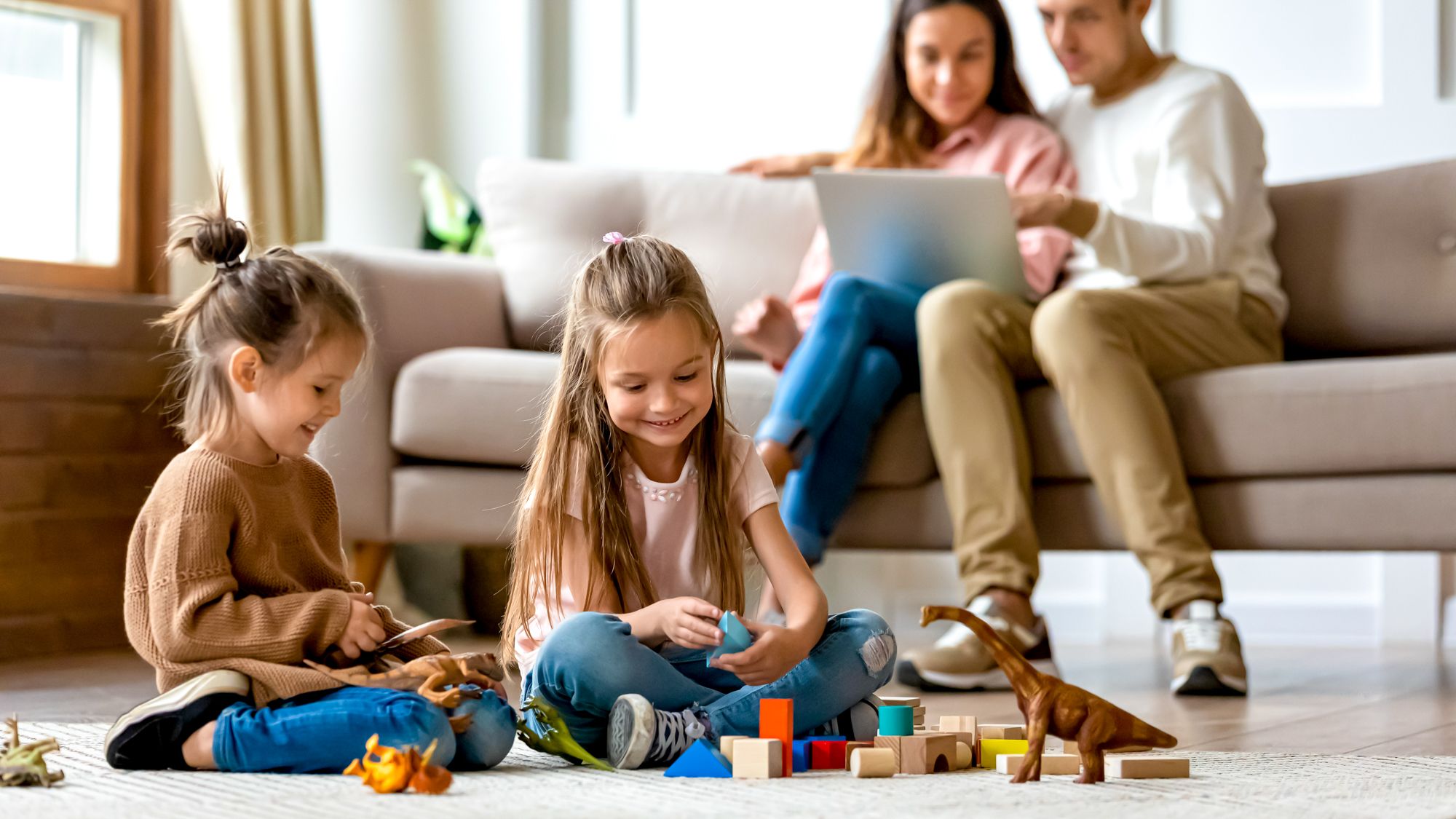
  • 5 Reasons You Should Include Games In Your Child’s Daily Activities

    5 Reasons You Should Include Games In Your Child’s Daily Activities

    If you ask any child what they want to do all day, the answer will be “Play games!” Playing is one of the most favorite activities that all children love. And you don’t even have to shower them with expensive toys and video games to get them to play. Children are very imaginative and creative little beings, they can even invent a game of their own and keep themselves entertained. But all parents are plagued by a question, “Is all that playing really necessary? Shouldn’t they be involved in lessons to help them learn?”

    Yes, playing games is a very important part of the child’s growing years. And, along with being loads of fun, games are also great mediums of learning for children. From their early physical and mental development to basic life skills, games for kids help children learn several things. From fine and gross motor skills, teamwork, sharing, literacy to confidence, playing games teaches children some very essential life skills.

    Little children today are forced to grow quickly and face too much anxiety, pressure and competition. This hampers the child’s cognitive, physical, social, and emotional development. It also leads to depression, obesity and several other problems that harm the child. But playing games helps them destress and enjoy themselves, which is essential for their well-being. This makes for a happy, healthy and well-rounded childhood.

    5 Reasons You Should Make Your Kids Play Games

    Playing games is very beneficial for little children. Here are 5 reasons why you should include games in your child’s daily life.

    1. Physical Fitness: Kids get to move around, run, jump, hop, skip etc., when they’re playing. As they do all this, it builds their stamina and physical fitness. This helps them develop a healthy body and mind. Additionally, it also boosts their strength, and fine and gross motor skills. Playing games also helps them destress, just be a kid and enjoy themselves. This is essential to develop a sound mind. So, along with physical fitness, it also develops the child’s mind.
    2. Learning and language skills: Games are not only fun, but they are educational too. Since children love playing games, parents and educators can modify lessons to include games to make lessons more enjoyable. For example, using games to teach math and language can boost the child’s math skills and fluency in language. This helps keep children engaged in their lessons and also helps them learn better. Additionally, children learn basic life skills through games too. It boosts their creativity, imagination, logical reasoning, critical thinking and language fluency.
    3. Entertainment: Kids are very energetic and tend to get bored easily. An energetic child cooped indoors is a surefire recipe for disaster. But involving the child in fun games like indoor games for kids helps expend some of that energy. Additionally, it keeps them entertained and happy for hours. A happy child is less likely to throw tantrums or make trouble.
    4. Self esteem and patience: Along with keeping children fit and happy, it also teaches them some important life skills. As they play, it improves their confidence and self-esteem. It also helps them learn to try out new things, and try harder when they don’t succeed at first. They learn patience and resilience, which are essential skills that you need to succeed in life.
    5. Social skills: One of the most important things that kids learn while they play with others is social skills. They learn how to make friends, how to share and communicate with each other. They also learn to discuss, negotiate, resolve conflicts and solve problems on their own. They learn to work as a team and develop leadership skills, which also helps them develop to their full potential.

    Playing games and enjoying themselves is every child’s birthright. In fact, it’s a rite of passage from childhood to adulthood, which every child needs to experience and enjoy.