
 By
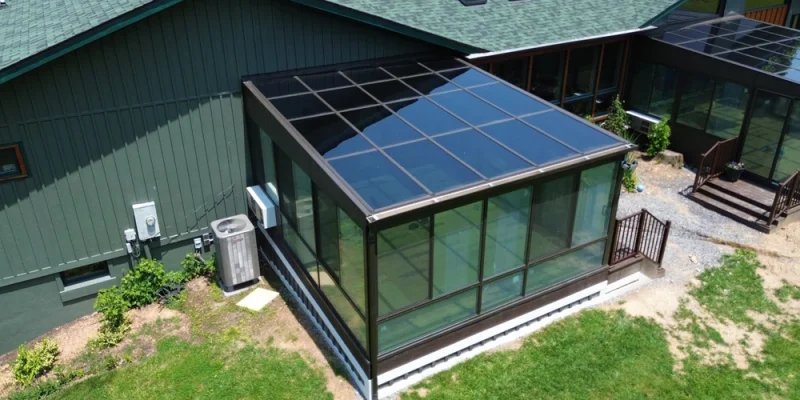
I once watched a homeowner in Ceres sign a sunroom contract in her driveway after twenty minutes of conversation. No drawings. No material list. No foundation detail. Six months later, the room leaked every time it rained and she was chasing a contractor who had stopped answering his phone. The whole disaster was avoidable, and it started with the wrong question. She asked, “How much?” when she should have asked, “What’s holding this room up?”
If you’re planning to add living space off the back of your house, the builder matters more than the brochure. A sunroom is a structural addition attached to your home, not a piece of furniture you can return. The crews that do this well in the Central Valley share a few habits, and once you know what to look for, the wrong ones are easy to spot. You can see how a proper Sun Room Builders in Modesto CA operation describes its own process, then compare that against every estimate you collect.
Here’s the part most people get wrong: the foundation, not the glass, decides whether your sunroom survives a decade of valley heat and winter rain. Keep that in mind and the rest of the decisions get simpler.
What separates a sunroom from a patio cover?
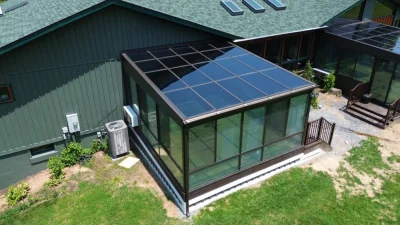
These two get blurred together in a lot of marketing, so let’s be precise. A patio cover is a roof over open space. It gives you shade and a break from the sun, and that’s a fine upgrade. A sunroom is a fully enclosed room, insulated, with its own walls and a seal against your house. You can sit in it in January or August and be comfortable.
That difference drives everything else: the permits you need, the foundation under the floor, and the price. On the target page, a Modesto contractor notes that people who mostly want shade may only need a cover, which is honest advice from someone who stands to make more selling a room. I’d take that kind of candor seriously. A builder who talks you out of the bigger job when you don’t need it is usually the builder who does the job well when you do.
So before you call anyone, answer one question for yourself. Do you want a shaded patio you use half the year, or a room you use all year? Your answer narrows your shopping list fast.
The vetting checklist you can run in an afternoon
You don’t need a construction background to filter out the weak bids. Run every contractor through these five checks before you let them measure anything.
- Verify the license yourself. California requires contractors to hold a state license, and you can confirm the number and its status through the Contractors State License Board in minutes. A builder who hesitates to give you a license number is telling you something.
- Ask who swings the hammer. Some companies sell the job and then hand it to a subcontractor you never met. The crew that shows up is the crew your money buys, so find out upfront whether the seller and the builder are the same outfit.
- Get a written proposal, not a napkin quote. Materials, cost, timeline, all on paper before work starts. Verbal estimates are the fastest route to a dispute.
- Ask about the foundation in the first conversation. If the answer is vague, walk. A sunroom on a bad slab is a countdown timer.
- Request a walkthrough clause. The job isn’t done until you’ve inspected it with them and they’ve fixed what you flag. Get that in writing.
Notice that none of these checks are about price. You’ll compare numbers soon enough. First, filter out anyone who can’t pass a five-minute interview.
Why the foundation question comes before everything else
Here’s where I’ll take a hard stance. If a contractor quotes you a sunroom without asking about the condition of your existing slab, treat that quote as fiction.
Many older homes in Modesto and the surrounding towns were built on foundations that have settled or cracked over decades of dry summers and wet winters. A sunroom adds weight and, more importantly, needs a level base that won’t shift. The good builders will look hard at what’s under your patio and may tell you it has to be rebuilt. That’s not upselling. That’s the difference between a room that stays tight and one that leaks at every seam the first wet season.
The federal Department of Energy publishes guidance on how attached additions handle moisture and insulation, and it makes the same basic point: what’s below and behind the walls matters as much as the glass in front. I’d rather pay for a new slab once than patch a leak every year for a decade. Ask the uncomfortable question, and watch how the contractor answers. The one who leans into it is your person.
Reading the estimate like you’ve done this before
Two bids can look identical on the bottom line and represent completely different jobs. The line items tell the truth. Look for the foundation spec, the insulation value, the window or panel brand, and the installation timeline, each written out. A one-page quote with a single number is a red flag, not a bargain.
Pay attention to how the builder talks about scheduling too. A typical sunroom build might run a handful of days once materials arrive, and a contractor who can state that window clearly usually has a real production process behind the promise. Someone who says “a few weeks, give or take” is guessing. The Bureau of Labor Statistics tracks employment and wage data across the construction trades, and the sector’s steady demand means good crews are busy. Busy crews with real processes won’t hand you a vague timeline. They know their schedule because they run one.
| What to check | Weak bid looks like | Strong bid looks like |
|---|---|---|
| Foundation | No mention | Inspection notes and a written spec |
| Crew | “We’ll bring a team” | In-house crew named |
| Timeline | “A few weeks, roughly” | Dated schedule with milestones |
| Completion | Payment is the finish line | Walkthrough and fixes before final payment |
Matching the room to your house, not the catalog
A sunroom that looks bolted on shouts it from the street. The good builders match roof pitch, siding, and trim so the addition reads as part of the original house. This is where an in-house crew earns its keep. The person designing the room and the person framing it are on the same team, so the details actually line up.
Show your builder the angle of your back door, the depth of your eaves, and the shade pattern of that oak tree you refuse to cut down. A real builder will factor all of it in. Ask what happens to your drainage when the new roof line meets the old one. Small question, big consequence.
The decision comes down to trust plus process
By now you’ve got the checks, the questions, and the one non-negotiable: a foundation conversation before any quote. The rest is process. A builder who writes things down, uses their own crew, and walks the job with you before calling it finished will almost always beat the cheaper bid by the time year three rolls around.
Stick to that formula and the sunroom becomes the room you live in most. If you’re weighing a cover against a full room, ask the builder which one your yard and budget actually justify, and don’t let anyone rush you past that question. What’s the one thing about your patio you’ve never had a contractor explain to you?






Comments