
 By
By 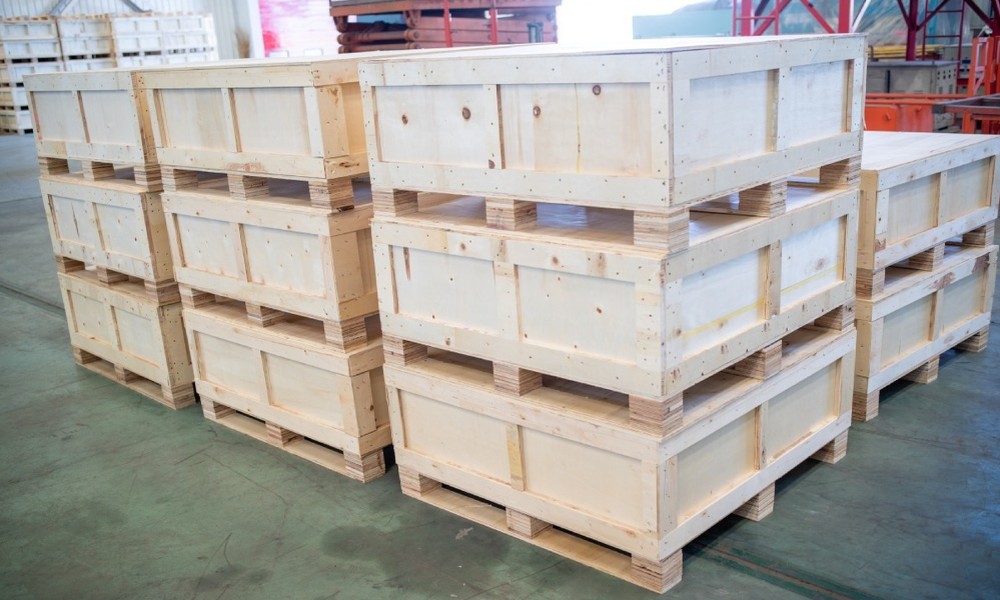
At a Glance:
- International shipping requires sturdy packaging that can endure long transit times and repeated handling.
- Cardboard, plastics, aluminium and metal each have durability limitations under export conditions.
- Plywood boxes provide strong structural stability against compression, impact and load shift.
- For heavy or high-value cargo, plywood offers a reliable and practical export packaging solution.
International shipping places far greater demands on packaging than domestic transport. With long transit times, constant handling, vibrations, moisture and shifting climates, the risk of damage increases when packaging is not built for these conditions.
The choice of packaging material plays a crucial role in protecting products, ensuring compliance, minimising damage rates and managing overall costs. If your packaging lacks sufficient durability, it can fail under pressure and drive up avoidable shipping costs. Plywood boxes are a popular choice in export shipping due to their strength and stability.
This article looks at how plywood boxes compare with materials such as cardboard, plastics, aluminium and metal, so you can choose the right option for international shipping. This comparison helps you identify the most suitable packaging solution for international transport.
Plywood vs Cardboard Packaging for Export Durability
Cardboard cartons and corrugated export crates are vulnerable to damage during international shipping. Extended stacking, constant vibration and uneven load pressure weaken compression strength over time. As a result, the risk of panel collapse or edge failure increases. These risks are amplified in sea freight, where long transit times put ongoing stress on packaging materials.
Plywood boxes for export maintain structural stability under these conditions. Their layered construction distributes weight evenly and resists compression far better than cardboard.
If you’re shipping heavy, high-value or sensitive cargo, plywood boxes provide a level of reliability that cardboard-based materials simply can’t match.
Plywood vs Plastic Crates and Composite Packaging
Plastic crates and composite containers perform well when you need moisture resistance and protection from light impacts. However, their ability to withstand heavy or uneven loads can be inconsistent. When they flex under prolonged load, they can lose their shape and compromise load stability during repeated handling.
On the other hand, plywood crates designed for international shipping provide better rigidity and a more reliable structure. They can be reinforced internally to handle concentrated loads and irregularly shaped cargo. This matters most when your export packaging depends on even load distribution to maintain strength.
Plywood vs Aluminium Boxes
Aluminium boxes resist corrosion and offer a clean appearance, but their thinner panels can dent easily under point loads. Once damaged, repairing aluminium containers can be challenging after multiple handling stages during shipping.
Plywood shipping boxes absorb impacts without permanent deformation and can be reinforced or repaired as needed. This makes them a practical choice for shipments where durability is required without the hassle of specialised repairs.
Plywood vs Metal Export Containers
Metal export containers provide strong impact resistance and security. However, they introduce significant weight and cost penalties. Corrosion risk, handling complexity and limited adaptability make them less suitable for many one-off or non-returnable export shipments.
Export plywood boxes offer a more balanced durability profile. They are strong enough for international shipping while being lighter, more flexible and easier to manage.
If permanent metal systems aren’t necessary, plywood boxes give you dependable protection without adding unnecessary logistical overhead.
A single packaging material is not suitable for every export shipment. Cardboard, plastics, aluminium and metal each have their strengths, but they often experience durability issues when cargo is subjected to long transit times, heavy stacking and repeated handling.
Plywood boxes offer a reliable middle ground for international shipping. They combine structural strength, stability and adaptability without the weight or complexity of metal systems. If you ship heavy, high-value or irregular goods, plywood boxes provide reliable protection when it matters most.
Looking for durable export packaging you can rely on? Working with reputable pallet manufacturers in Melbourne ensures your plywood boxes are built to withstand international shipping conditions.











Comments