Tag: Pain Management

  • Pain Management For Athletes: A Specialist’s Perspective

    Pain Management For Athletes: A Specialist’s Perspective

    Managing pain is crucial for athletes. It helps them recover and perform at their best. Injuries like sprains, tendonitis, or even a herniated disc can challenge their daily routines. The phrase herniated disc florida brings to mind the importance of tailored care. Specialists use a blend of techniques to address pain. From physical therapy to targeted exercises, athletes find relief and get back on track. Understanding these approaches can make all the difference in an athlete’s journey.

    Understanding Common Sports Injuries

    Sports injuries come in various forms. Common injuries include sprains, strains, and fractures. Each type of injury requires specific management to ensure effective recovery. Recognizing these differences helps in seeking the right treatment.

    The Role of Physical Therapy

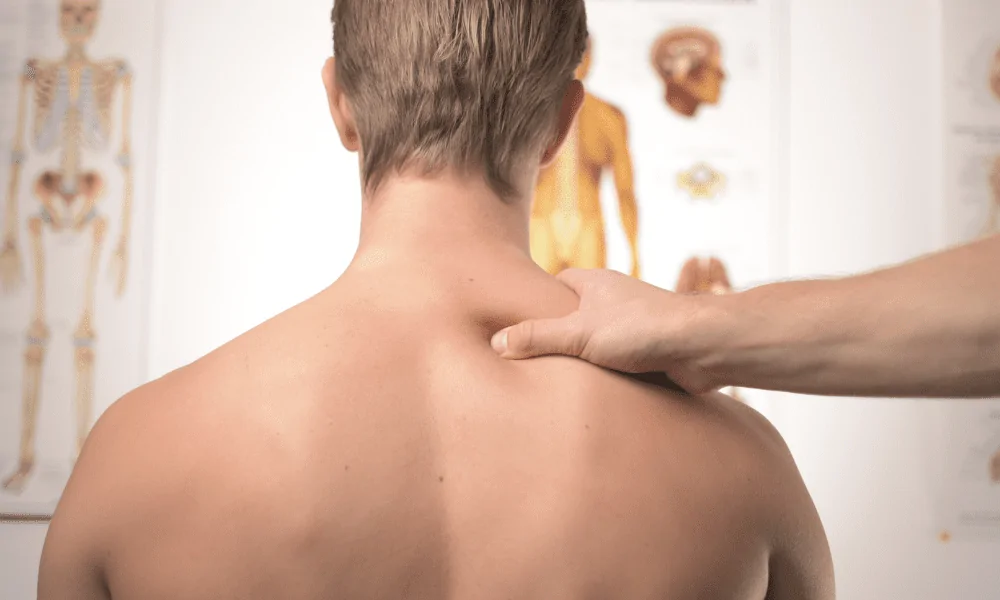
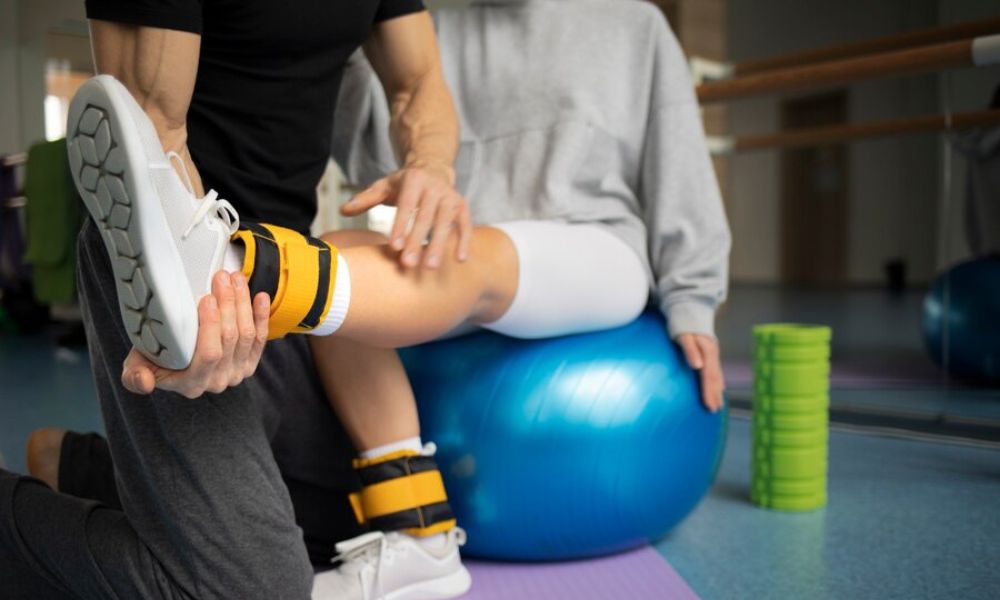
    Physical therapy plays a vital role in pain management. Therapists assess and develop personalized recovery plans. These plans often include exercises and stretches that target specific muscle groups. Regular sessions enhance mobility and reduce pain over time.

    Benefits of Targeted Exercises

    Targeted exercises help in strengthening injured areas. They focus on restoring balance and improving flexibility. Exercises like stretching routines and resistance training are common. Doing these exercises regularly aids in faster recovery.

    Pain Management For Athletes

    Comparing Pain Management Techniques

    Different techniques cater to different needs. The table below compares various methods athletes use to manage pain:

    Technique Benefits Considerations
    Physical Therapy Improves strength and flexibility Requires time and commitment
    Medication Provides quick pain relief Possible side effects and dependency
    Acupuncture Reduces inflammation and pain May not be suitable for everyone

    The Importance of Rest and Recovery

    Rest is a critical component of pain management. It allows the body to heal naturally. Overexertion can worsen injuries and prolong recovery. Balancing activity with rest is key to effective pain management.

    Seeking Professional Help

    Consulting with a specialist provides valuable insights. They offer tailored advice and access to advanced treatment options. A specialist can guide athletes through complex injuries with care and expertise.

    The Power of Nutrition in Recovery

    Proper nutrition supports healing. Eating a balanced diet rich in vitamins and minerals aids recovery. Foods high in protein and antioxidants can help repair damaged tissues. For more information on nutrition and recovery, visit the U.S. Department of Agriculture’s Nutrition Portal.

    Embracing a Holistic Approach

    Holistic care involves integrating various methods. Combining physical therapy with nutrition and rest ensures comprehensive recovery. This approach addresses both the physical and mental aspects of healing.

    Setting Realistic Goals

    Setting goals helps in tracking progress. Realistic goals ensure athletes stay motivated and focused. Breaking down recovery into manageable steps leads to long-term success.

    Conclusion

    Pain management is a complex but essential part of an athlete’s life. With the right combination of techniques, athletes can overcome injuries and return to their sports. Consulting with professionals and embracing a holistic approach enhances recovery. For additional guidance, the National Institute of Arthritis and Musculoskeletal and Skin Diseases provides more resources on managing sports injuries.

  • How Pain Management Specialists Help In Neuropathic Pain Management

    How Pain Management Specialists Help In Neuropathic Pain Management

    Neuropathic pain can be a complex problem. Specialists in fields like alliance spine & pain offer a patient-focused approach. They apply their expertise to help manage this pain. They use a blend of science and personal touch. Their goal is clear – to ease your discomfort and improve your quality of life. In this blog, we will explore how these professionals make a difference.

    Understanding Neuropathic Pain

    Neuropathic pain stems from nerve damage. Unlike normal pain, it does not go away after the injury heals. Imagine your nerves are a highway. A regular pain signal is like a car driving to a destination. Neuropathic pain is like a traffic jam. Even after the cause of the jam is cleared, traffic is still slow. Likewise, neuropathic pain lingers.

    Role of Pain Management Specialists

    Pain Management Specialists

    Pain management specialists are the traffic officers of this highway. They have a deep understanding of the nervous system. They use this knowledge to ease the pain. Here are some ways they do this:

    • Drugs: They prescribe medications to ease the pain. These include painkillers, antidepressants and anticonvulsants.
    • Physical Therapies: They might suggest physical therapy or exercise.
    • Psychological Therapies: They might suggest psychological therapies such as cognitive-behavioral therapy.

    Comparing Treatments

    Here’s a comparison table of these treatments:

    Treatment Pros Cons
    Drugs Immediately reduce pain Can have side effects
    Physical Therapy Improves overall health Takes time to see effects
    Psychological Therapy Helps to cope with pain Requires commitment

    Conclusion

    Managing neuropathic pain is not easy. But with guidance from experts like those at alliance spine & pain, it becomes manageable. They give patients the tools they need to find relief. Their role is not just to treat but to empower, not just to heal but to restore. In a world where pain is a constant companion, they offer hope and relief.

  • How Pain Management Specialists Aid In The Treatment Of Sports Injuries

    How Pain Management Specialists Aid In The Treatment Of Sports Injuries

    In a world where sports injuries are commonplace, pain management becomes a critical focus. Here, the role of pain management specialists is invaluable. They bring expertise to the table–helping to alleviate discomfort and speed up recovery. One such example of this lies in hazlet joint pain. This condition, often seen in athletes, requires thoughtful care and treatment. This blog post will explore how pain management specialists aid in treating sports injuries, and the unique role they play in the healing process.

    The Role of Pain Management Specialists

    Pain management specialists look beyond the injury. They consider the whole person. This means they take into account not just physical pain, but emotional discomfort as well. This all-around approach ensures a more effective treatment.

    Types of Pain Management

    Pain Management Specialists

    There are several types of pain management techniques. Physical therapy, medication, and even lifestyle changes can play a role. The right mix depends on the patient and the type of injury.

    Why Pain Management is Crucial

    Pain management is not a secondary concern. It is a vital part of the recovery process. Without it, injuries can linger and quality of life can suffer.

    What the Data Says

    Studies support the importance of pain management. A study found that proper pain management can speed up recovery times. Another study showed it can reduce the risk of chronic pain.

    STUDY FINDINGS
    Study 1 Proper pain management can speed up recovery times
    Study 2 Pain management can reduce the risk of chronic pain

    In conclusion, pain management is a crucial part of treating sports injuries. The role of pain management specialists is vital. They ensure a holistic approach to the recovery process, taking into account not just the physical, but also the emotional aspects of pain.