

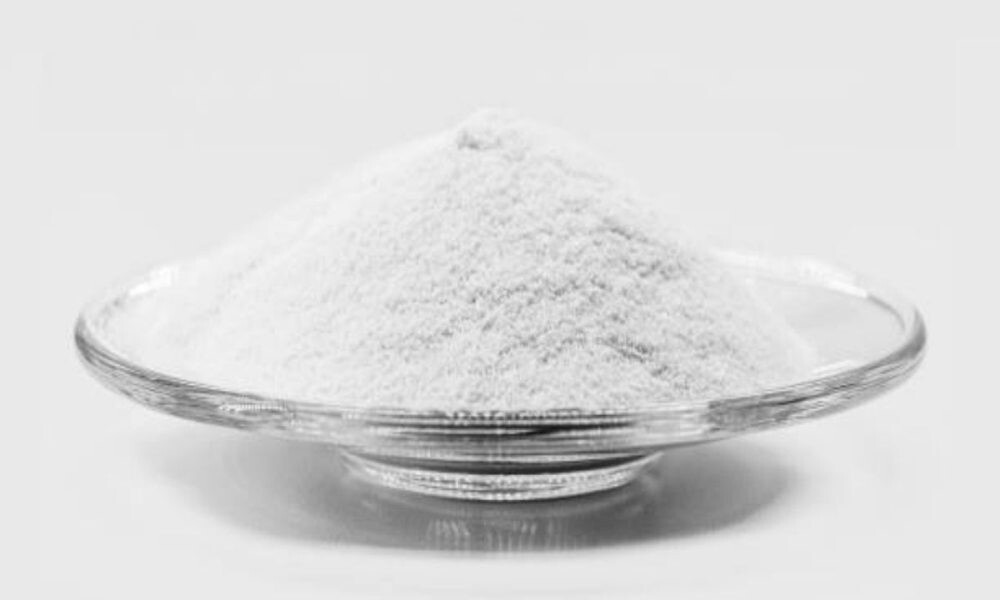
Alumina powder is a highly versatile material with a wide range of industrial and commercial applications. Known for its hardness, thermal stability, and chemical resistance, alumina powder is a crucial component in many sectors, from ceramics to electronics and beyond. Understanding its properties, manufacturing processes, and practical uses is essential for industries looking to optimize performance, efficiency, and product quality.
Alumina, also known as aluminum oxide, exists in various forms, including alpha-alumina, gamma-alumina, and other transitional phases, each with unique characteristics. The powder form enhances its usability in applications requiring precise particle size, uniform distribution, and controlled purity. This adaptability makes alumina powder a valuable material in advanced manufacturing processes and scientific research.
Industrial and Manufacturing Applications
One of the primary uses of alumina powder is in industrial manufacturing. Its hardness and resistance to wear make it an ideal abrasive for polishing, grinding, and lapping processes. High-purity alumina powders are used in the production of cutting tools, sandpapers, and precision engineering components, where surface finish and durability are critical.
In the ceramics industry, alumina powder serves as a key ingredient in advanced ceramic products. Its high melting point and thermal stability allow it to withstand extreme temperatures, making it suitable for refractory materials, kiln linings, and furnace components. Alumina also contributes to mechanical strength, chemical inertness, and dimensional stability, ensuring that ceramic products maintain performance under demanding conditions.
Another significant application is in the production of electrical and electronic components. Alumina powder possesses excellent insulating properties and high thermal conductivity, making it ideal for substrates, insulators, and heat sinks. These characteristics are particularly valuable in the semiconductor industry, where managing heat dissipation and maintaining electrical insulation are essential for reliable device performance.
Medical and Scientific Uses
Alumina powder is also employed in medical and scientific contexts due to its biocompatibility and chemical stability. In dentistry, it is used for polishing and finishing dental prosthetics, crowns, and orthodontic appliances. Its fine particle size allows for precise surface treatment without causing damage to delicate structures.
In laboratory applications, alumina powder acts as a catalyst support and filtration medium. Its porous nature and chemical inertness enable it to facilitate chemical reactions or remove impurities in experimental setups. Researchers often use high-purity alumina powders in studies requiring consistent and reproducible material performance.
Advanced Material and Environmental Applications
With the growth of high-tech industries, alumina powder has found applications in advanced materials such as composites and coatings. When combined with polymers or metals, alumina enhances mechanical strength, wear resistance, and thermal performance. These composites are used in aerospace, automotive, and industrial equipment where durability and efficiency are critical.
Alumina powder also contributes to environmental solutions. It is used in water purification, wastewater treatment, and pollution control applications due to its ability to adsorb impurities and withstand harsh chemical environments. By integrating alumina into filtration systems or catalytic processes, industries can improve environmental compliance and sustainability.
Selecting the Right Alumina Powder
Choosing the appropriate alumina powder depends on factors such as particle size, purity, phase composition, and intended application. Fine powders with uniform particle distribution are preferred for high-precision tasks like polishing or electronics manufacturing. Coarser powders are suitable for abrasives, refractory materials, or composite reinforcement.
Industries should also consider the chemical stability and thermal properties of the alumina powder. Alpha-alumina is known for its high hardness and thermal resistance, making it ideal for structural and refractory applications. Gamma-alumina, with higher surface area and porosity, is preferred for catalysis and adsorption purposes. Selecting the correct type ensures optimal performance and cost-effectiveness for the intended use.
Alumina powder is a multifunctional material with applications across diverse industries, including manufacturing, ceramics, electronics, medical, and environmental sectors. Its hardness, thermal stability, chemical inertness, and adaptability make it an indispensable resource for advanced processes and high-performance products. By understanding the properties, applications, and selection criteria for alumina powder, industries can leverage this material to enhance efficiency, product quality, and innovation in their operations.
