
 By
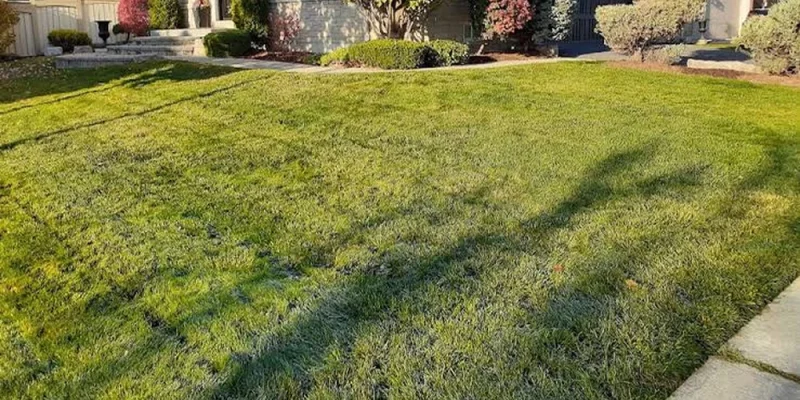
Three days after a good soaking, my neighbor’s yard looked fantastic. Mine looked like a dog had been digging for buried treasure in it. Same street, same clay underneath, wildly different results. That contrast sent me down a rabbit hole, and what I found surprised me: heavy rain doesn’t hurt a healthy lawn. It exposes an unhealthy one.
That’s the whole idea here. You’ll learn why storms wreck some yards and barely touch others, how to run a simple check after the next rain, and which fixes actually move the needle.
The short answer is drainage, soil structure, and timing. Get those three working together and your grass handles rain better than most people expect.
Rain Is a Stress Test, Not a Destroyer
Water is not the villain. Soggy grass that never dries out is. When a storm rolls through, everything sitting below the surface gets revealed: compacted soil, a low spot nobody noticed, a thatch layer thick enough to choke a hose. A yard that’s already struggling folds fast. A yard that’s healthy just gets a drink.
We tend to blame the weather because it’s the visible event. That’s backwards. The rain is simply a free diagnostic you didn’t have to pay for. Treat the aftermath as data.
The 48-Hour Grass Check
Wait two days after the rain stops, then walk your yard. This is the most useful thing you can do all season.
- Do your footprints stay visible in the turf? That’s compaction or heavy clay holding water.
- Does water pool in the same spots every single time? You’ve found a grading problem.
- Does the grass spring back when you lift it, or lie flat like wet newspaper? Flat means stress.
- Is the ground spongy two days later? Your thatch is too thick.
Write down what you see. If compaction and soggy patches have been a years-long pattern and not a one-off, it helps to bring in a provider who knows your ground. In south-central PA, the local experts offer lawn care in Chambersburg, PA, that’s built around the region’s heavy clay and limestone soils, and soil like that needs a different game plan than sandy coastal yards.
Most Yards Lose on Drainage, Not Sunlight
Grass needs air in the root zone as much as it needs water. Once soil stays saturated for days, the roots suffocate, and that’s where the yellowing and thinning start. Runoff from adjacent properties makes this worse.
According to USDA NRCS, healthy soil structure depends on the way soil particles bind together into aggregates that hold space for air and water. Break that structure down with compaction and rain becomes a problem instead of a benefit. Which means the fix isn’t more water or less water. It’s better soil.
Compaction vs. Grading
These look identical from above and get treated the same way by most homeowners. They aren’t the same problem. Compaction lives in the soil; grading lives in the slope. You can aerate a compacted yard, and you can’t aerate your way out of a low corner that collects runoff from three neighbors. Compare them:
| Signal | Compaction | Grading |
|---|---|---|
| Water behavior | Pools briefly, soaks in slowly | Pools every time, in the same outline |
| Footprints | Stay visible for hours | Normal, unless turf is saturated |
| Best first move | Aeration and organic matter | Regrade or divert flow |
| Wasted effort | Overseeding over hardpan | Aeration in standing water |
I’d start with compaction because it’s cheaper, and if the pooling persists in a defined shape, you know the slope is the real culprit. Don’t buy aeration when what your yard needs is a shovel.
Fertilizer Timing Around Storms
Here’s the mistake I see most: feeding a lawn right before a downpour. Granules wash into the gutter, the nearest storm drain, and eventually a creek. You’ve paid for fertilizer that never touched the root zone.
Check the forecast first. According to the National Weather Service, forecast confidence drops the further out you look, so a “maybe” storm at day five is not a reason to change your schedule. Wait for a day with light moisture expected, not a gully washer. Split applications also beat one heavy dose, since a slow feed gives roots time to take up nutrients instead of letting them wash away.
The EPA notes that fertilizer carried by stormwater is a significant source of nutrient pollution in waterways. That’s worth taking personally. A little patience with your timing is a small favor to your neighbors downstream and to your own wallet.
A Seasonal Calendar That Holds Up
Timing beats intensity every time. Here’s how I’d structure a year for a clay-heavy yard in the mid-Atlantic. Keep it simple.
- Early spring: Clean up debris, check for drainage problems that winter exposed, and skip heavy fertilization until grass is actively growing.
- Late spring: Aerate compacted areas and overseed thin spots with a blend suited to your sun exposure. Water lightly and consistently.
- Summer: Mow high. Cut no more than a third of the blade at once, and keep thatch in check. Deep, infrequent watering beats daily sprinkling.
- Early fall: This is the recovery window. Overseed, fix bare spots, and lean on a slow-release feed.
- Late fall: Add organic matter to thin soil, clean gutters, and address runoff paths before winter freeze.
I’d argue fall deserves the most attention of the entire list. Grass rebuilds root mass when temperatures drop, so every fix you make in September gets a much bigger payoff than the same fix in June.
What I’d Do First
If you can only do one thing, aerate and add organic matter before you buy a single bag of fertilizer. That single move fixes more problems than any product on the shelf. You’ll find out fast whether you’ve been treating a soil problem or a slope problem, and that knowledge saves you money.
Watch your yard after the next rain. Does water disappear within a day, or does it linger? That answer tells you everything about the season ahead. If you’ve been fighting the same soggy spots for years, the pattern isn’t the weather. It’s the ground beneath it.








Comments